


From Flatware to Frets: How One Liberty Tabletop Machinist is Crafting More Than Just Silverware
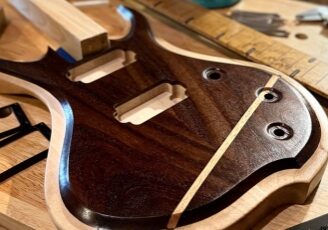
When most people want a guitar, they head to the store and buy one. But for Kris Roberts, a Machinist and Toolmaker at Liberty Tabletop who spends his days crafting precision tools for flatware design, the answer was clear — build it himself.
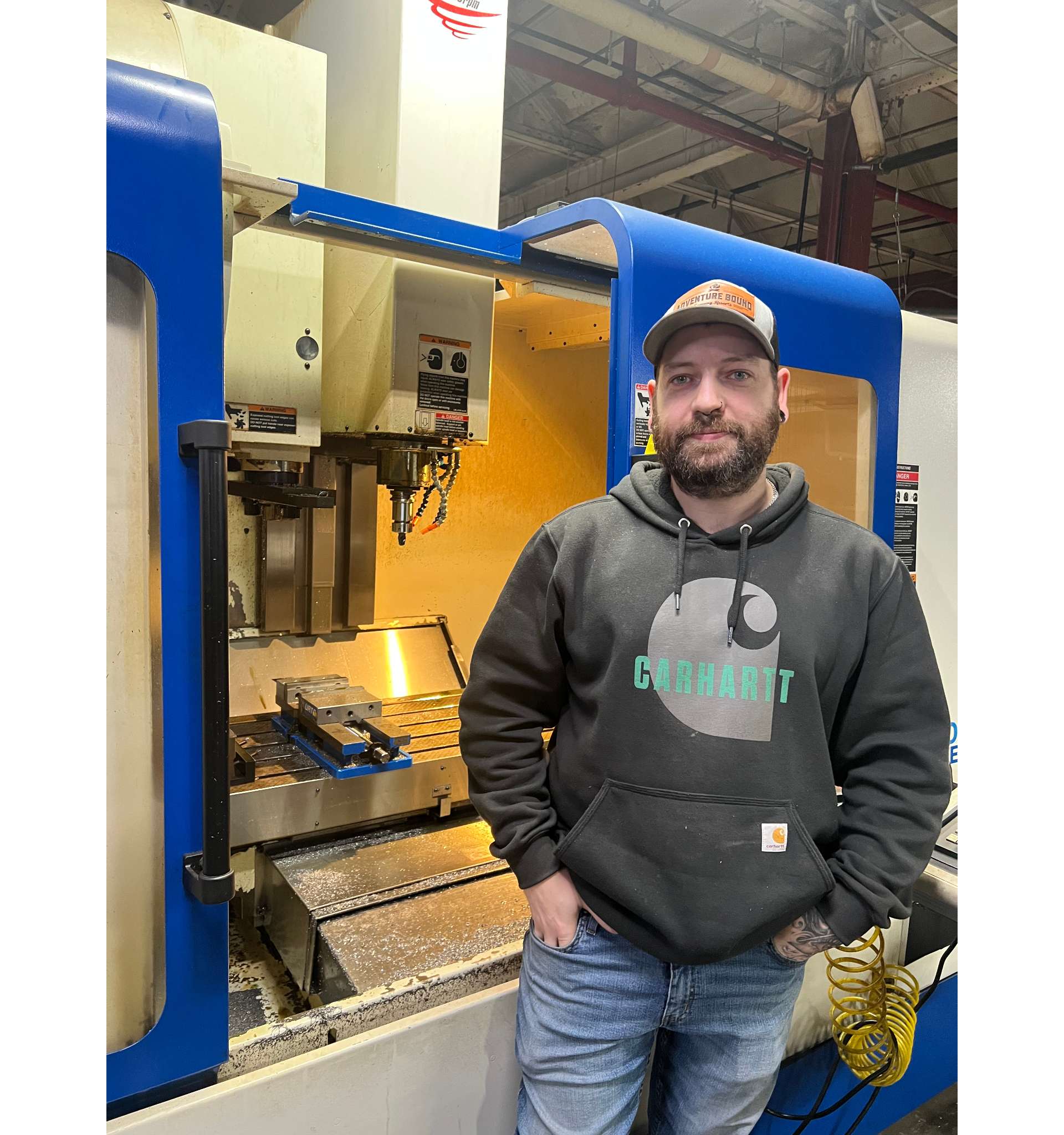
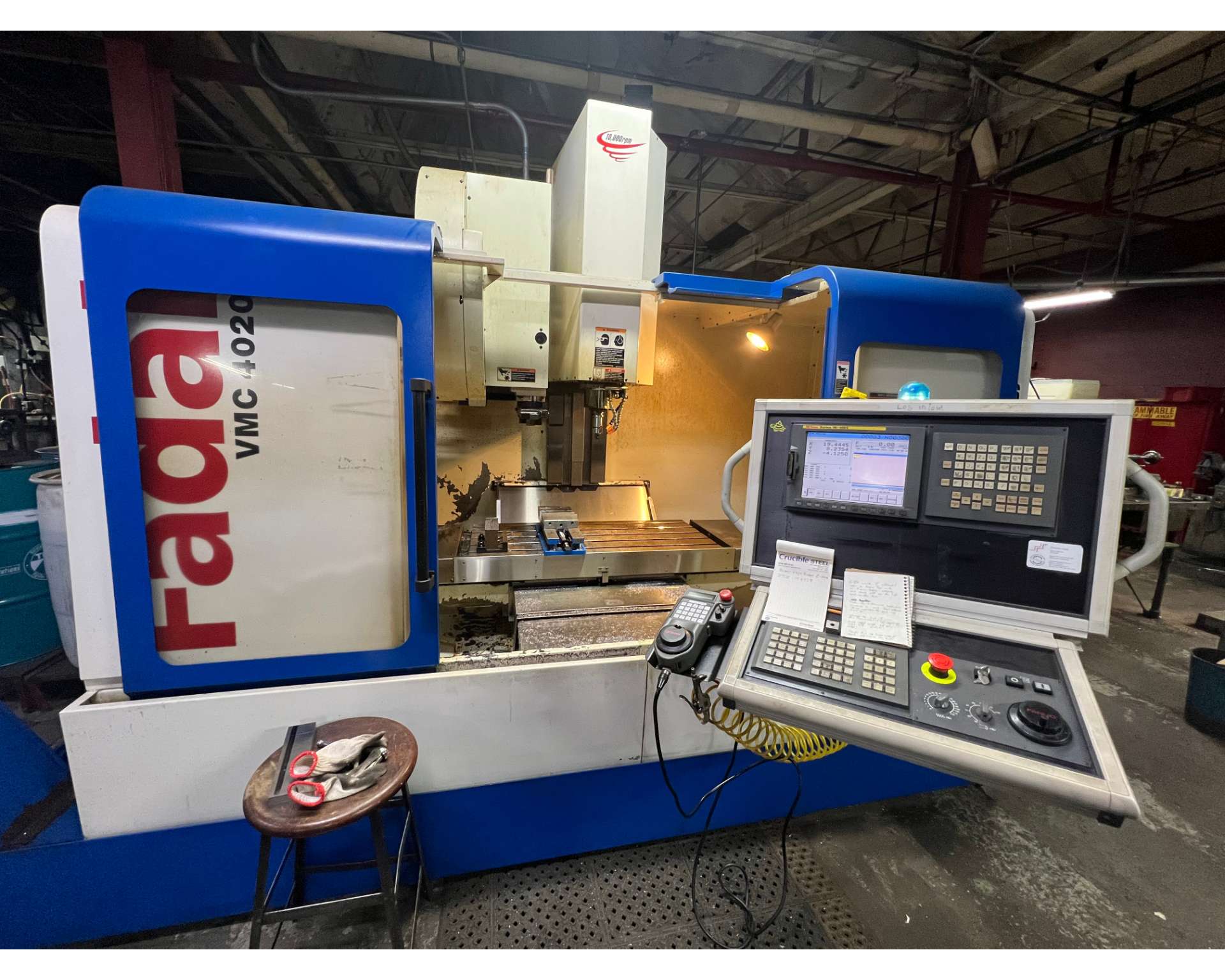
Kris joined Liberty Tabletop in 2019 with a strong interest in design and manufacturing. Early on much of his work was done by hand but over time, he began exploring new technologies like CNC machining. A CNC (Computer Numerical Control) mill is a computer-guided tool used to shape materials with incredible precision, and it’s now a core part of Liberty Tabletop’s in-house process for creating striking tools that imprint each flatware pattern.
That same precision and creativity followed Kris home, where inspiration struck after he saw a video on social media of someone building an electric guitar from scratch. A casual guitar player himself, Kris was immediately hooked on the idea of creating one of his own. Even more exciting? The opportunity to work with wood — a material that intrigued him thanks to a childhood spent watching his father, a contractor, bring wooden structures to life.
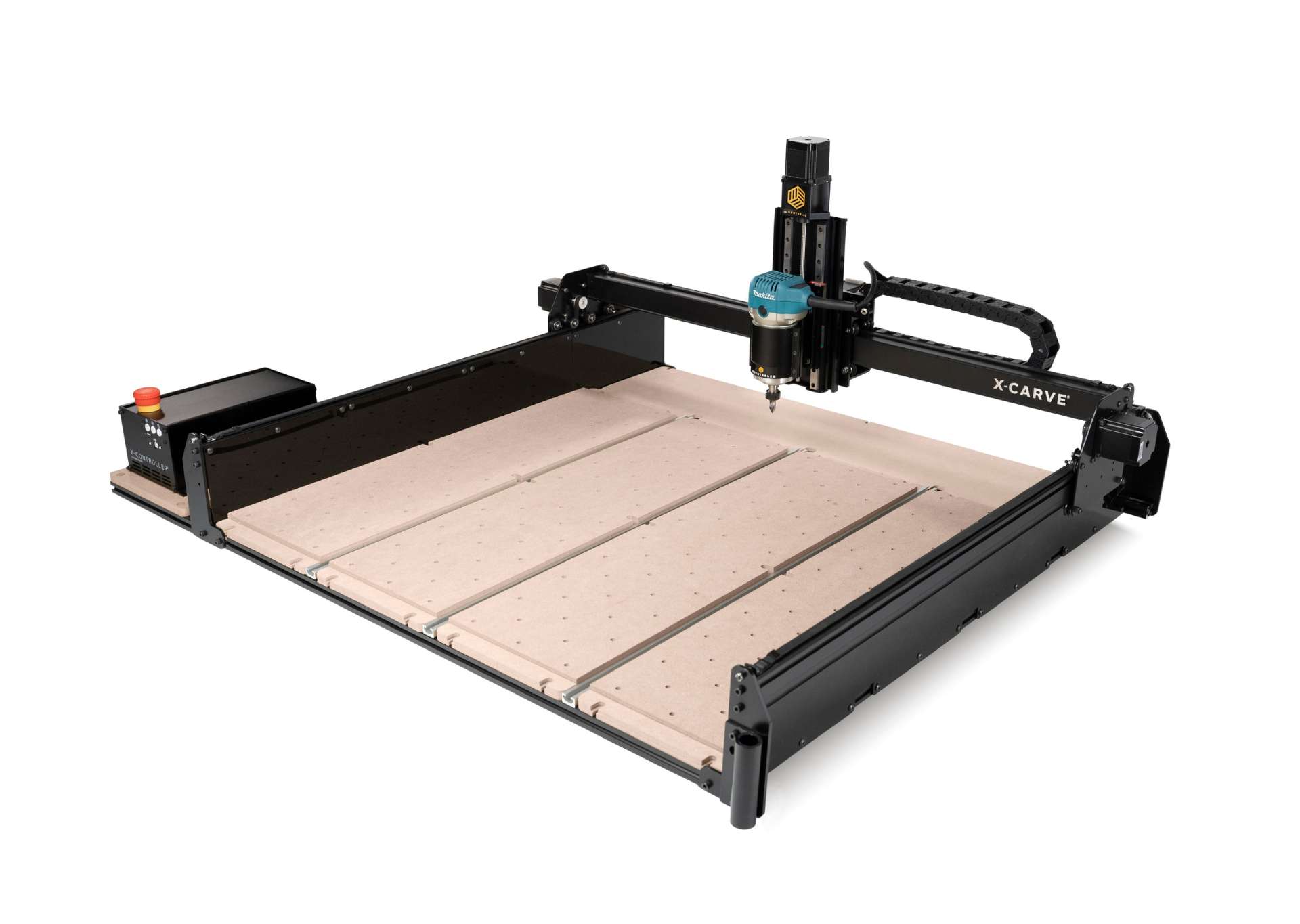
At the same time, Kris had the chance to acquire his own CNC machine — and he jumped at it. The guitar would become his first major project using the new equipment, blending his day-job skills with a personal passion.
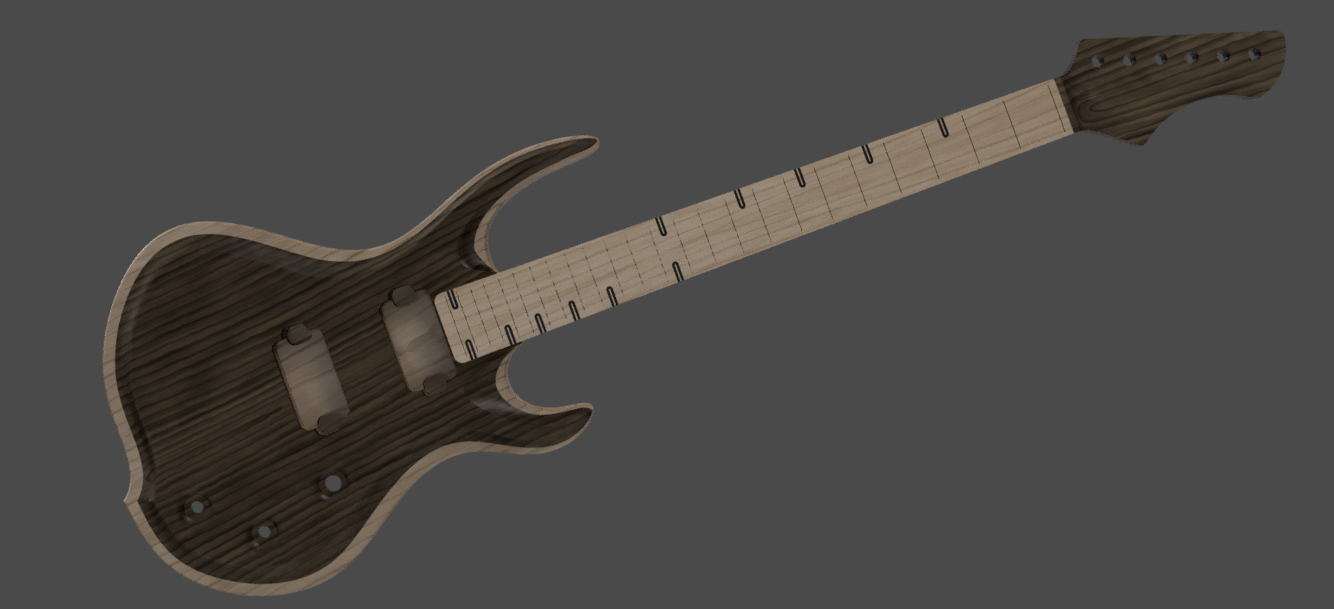
He began by designing the guitar’s shape from scratch, digitally sketching the body style using modeling software. “I started by exploring different body styles, adjusting the outline until I found something that felt right,” he explained. Though it was a new kind of project, Kris wasn’t starting from square one. He’d been experimenting with 3D modeling since 2013, using a home 3D printer to bring ideas to life.
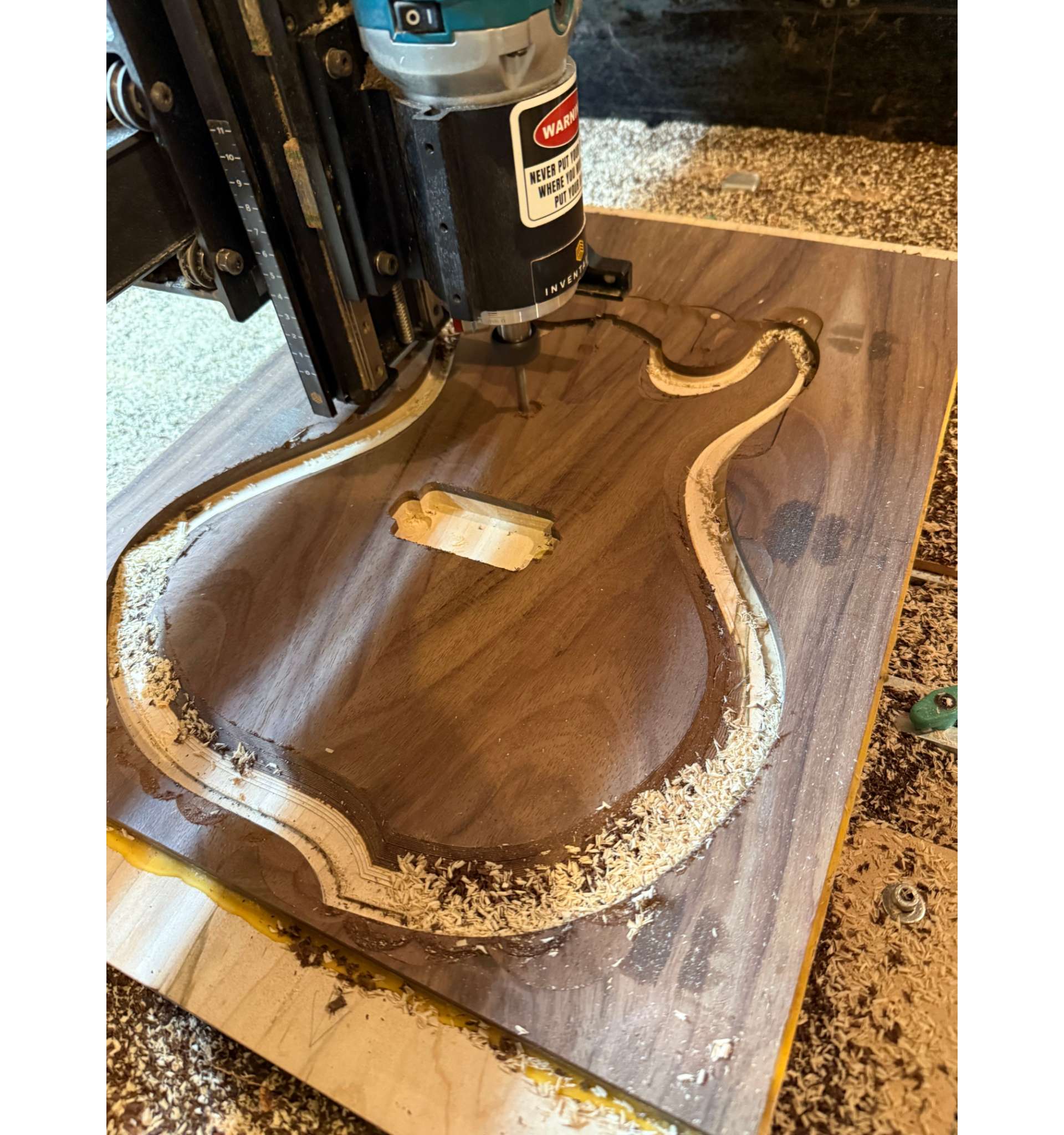
The guitar build is no small feat. Kris said it took around 200 hours to complete his first guitar build, from crafting the wooden body to handling the electronics and soldering tiny components into place. Still, he’s all in, “the guitar will be made completely by me from start to finish.”
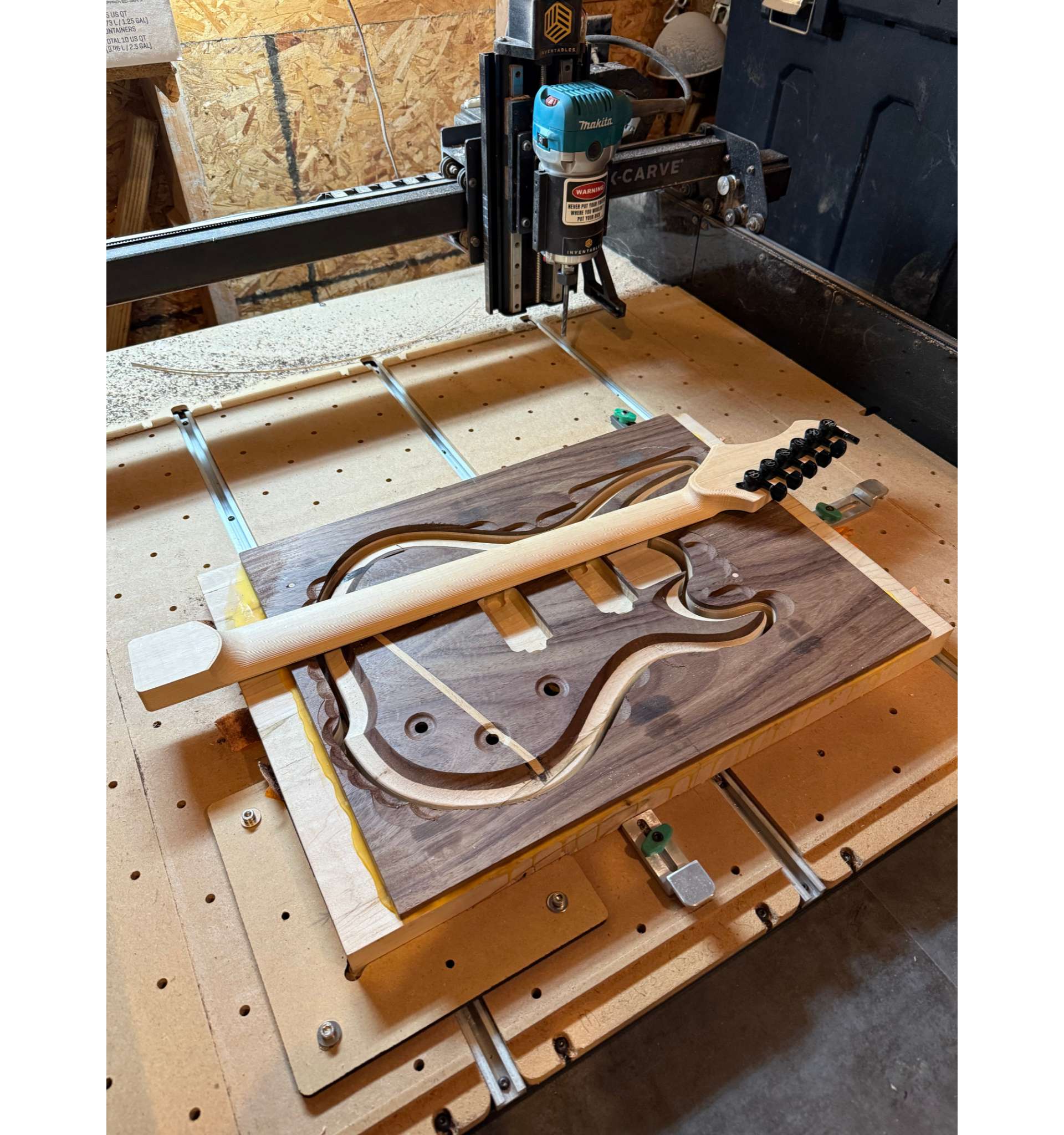
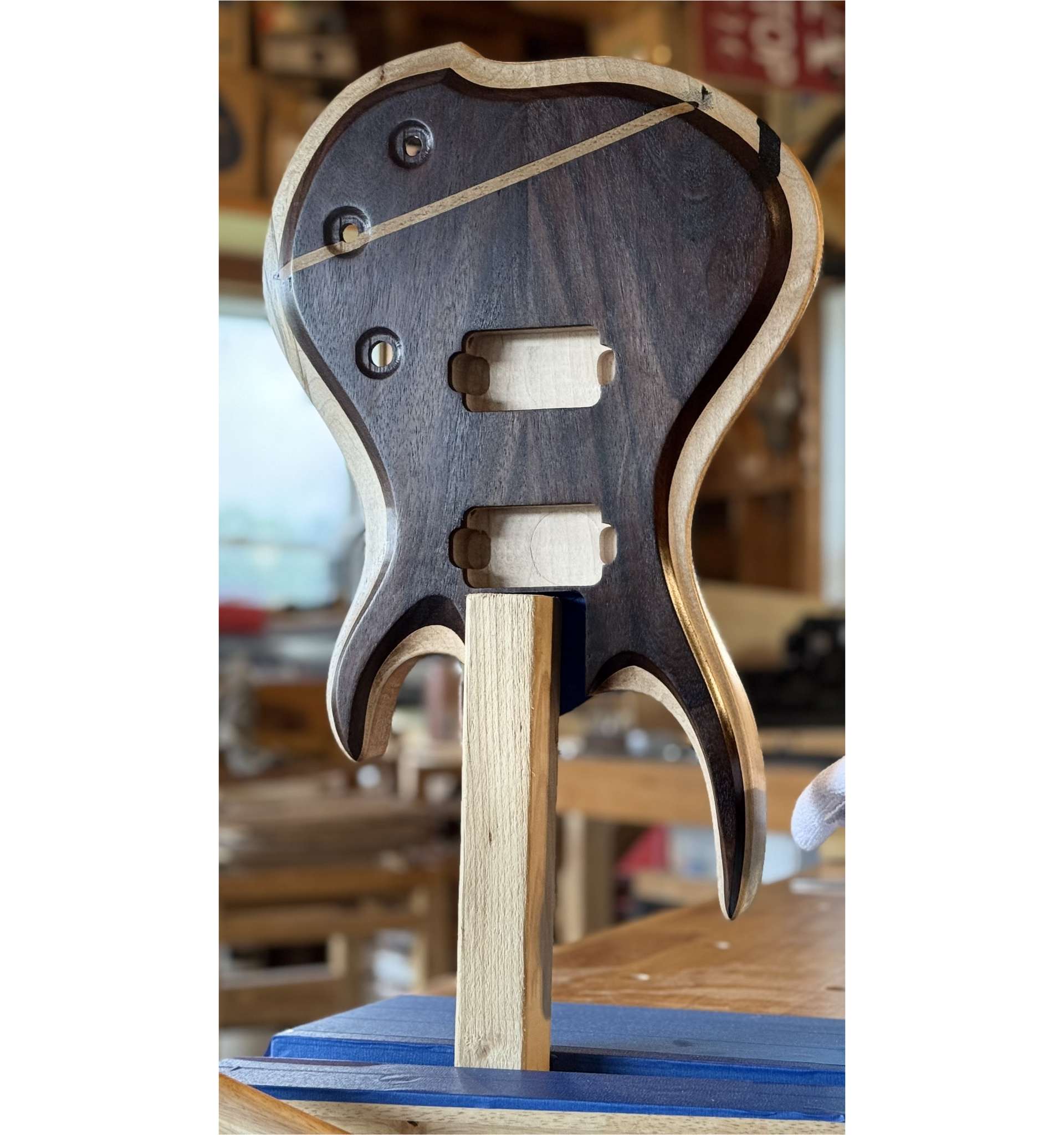
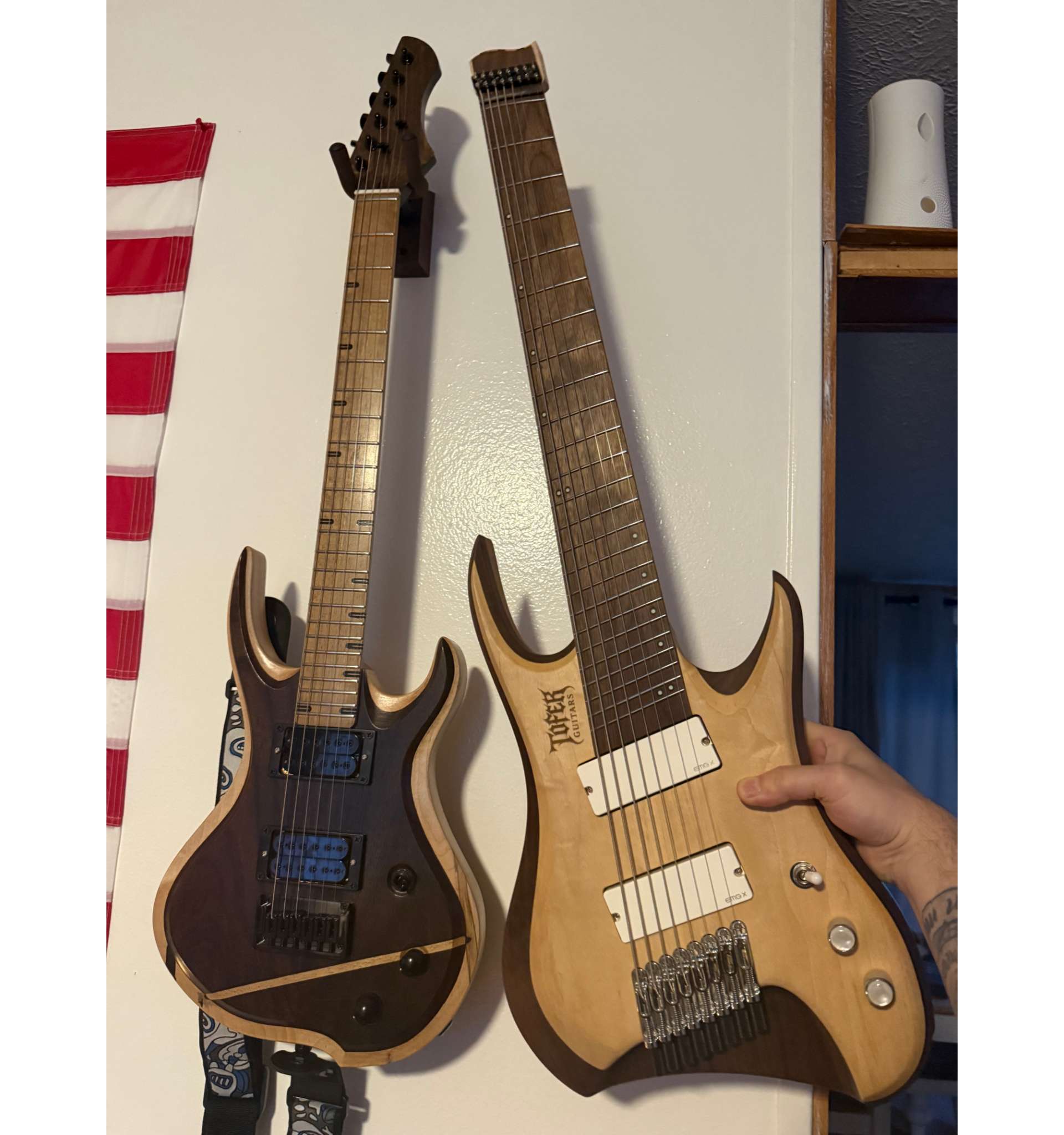
And all in he was as what started as a single guitar build quickly became a dual project – two electric guitars! His first build was a dark top 6-string guitar which he named “Ritescar.” According to Kris, this is a symbolic name that suggests a rite of passage marked by effort, scars, and growth-both creative and physical.” The guitar is crafted from Rosewood and Hard Maple.
The second guitar is an eight string dubbed the “The Headless Horseman.” He said the name comes from the lack of a headstock. According to Kris, he designed the guitar this way, "because you tune the strings at the base of the body instead of the headstock." The Headless Horseman is crafted from hard maple, black walnut, cherry, and padauk.
It’s hard not to choose favorites when you hand crafted both guitars, but Kris said that “The Headless Horseman,” is flawless! “It’s an amazingly well playing instrument I can be very proud of.”
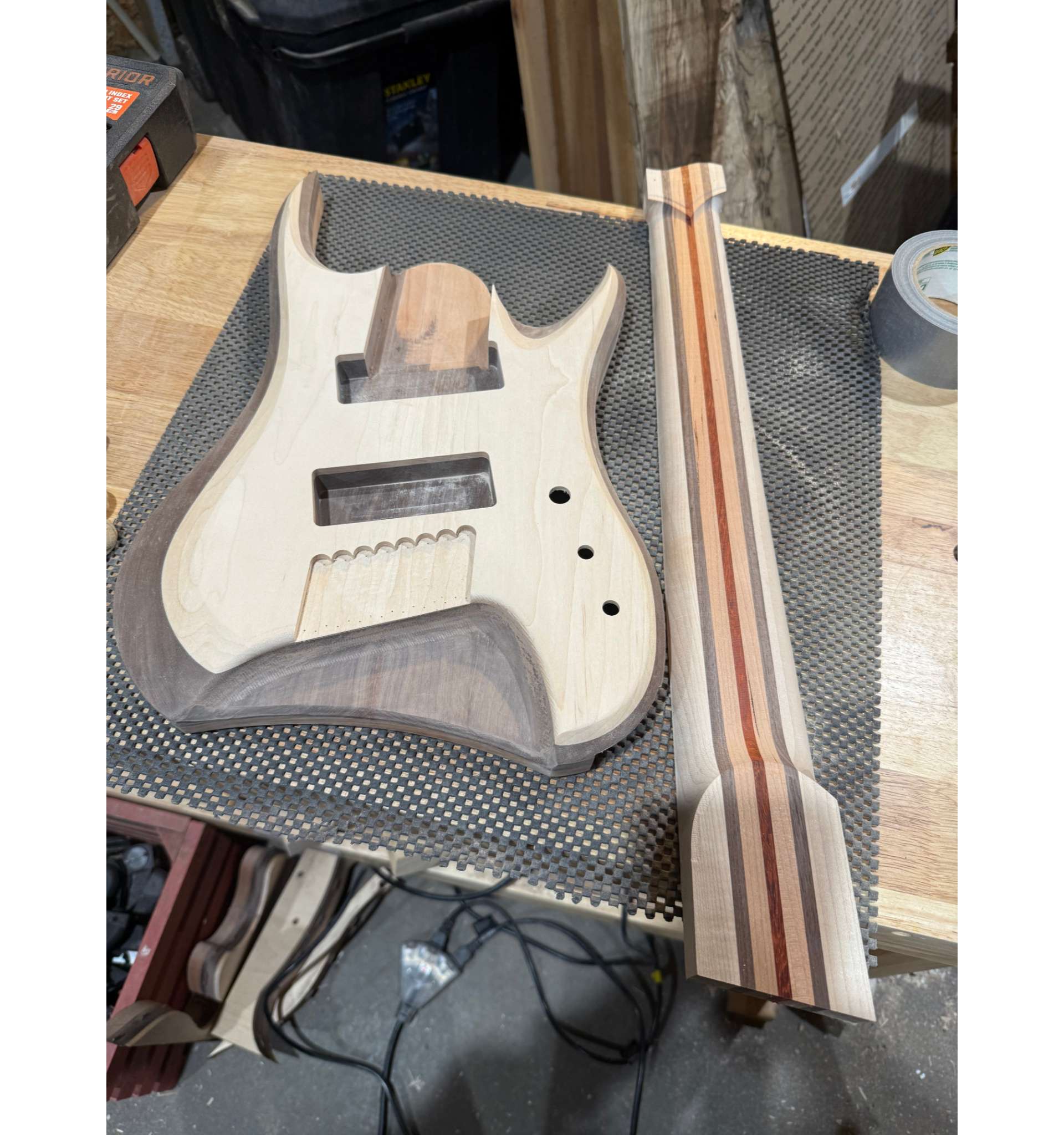
Kris also decided to make the second guitar an 8-string with an extended range, as he says it opens a world of creative possibilities for guitarists. “The extra strings allow for access to lower tonalities, broader chord voicings, and unique tunings, ultimately expanding the guitarist's creative palette,” said Kris. “In all honesty the actual reason [for creating the guitar] was the challenge. I wanted to challenge my limits both as a musician and as a machinist!”
For Kris, the journey of building this guitar has deepened his understanding of design and modeling — lessons that translate just as well to working with stainless steel as they do to shaping wood. It’s a true testament to the kind of innovation and passion Liberty Tabletop is proud to support, both inside and outside the workshop.